

intoduction
Search engines are evolving faster than ever. Gone are the days when stuffing keywords into a blog post and building a few spammy backlinks guaranteed a first-page ranking. In 2026, search engines—led by Google—prioritize user experience, search intent, and authority above all else. Artificial intelligence now plays a massive role in how results are ranked, with features like AI Overviews changing the way users consume information.
If you want to stay competitive, you need a systematic approach. Search Engine Optimization (SEO) is no longer about quick tricks; it is about consistent execution across technical infrastructure, content quality, and authority building.
This complete checklist will walk you through the essential steps to achieve higher rankings in 2026.
Phase 1: Technical SEO Foundations
Before you write a single word of content, your website must be accessible and understandable to search engines. Technical issues can prevent even the best content from ranking.
1. Ensure Crawlability and Indexation
Search engines use bots (crawlers) to discover your pages. If they cannot crawl your site, they cannot rank it.
- Submit an XML Sitemap: Generate a sitemap and submit it to Google Search Console and Bing Webmaster Tools. This tells search engines exactly which pages exist.
- Check Robots.txt: Ensure your
robots.txtfile is not accidentally blocking important pages. A misplaced “disallow” command can remove your entire site from search results. - Fix Crawl Errors: Use Google Search Console to identify and fix 404 (not found) errors and server errors.
2. Optimize for Core Web Vitals
Google uses Core Web Vitals as ranking signals. These are real-world metrics that measure user experience.
- Largest Contentful Paint (LCP): Measures loading speed. Aim for LCP to occur within 2.5 seconds of page load. Compress images, use a content delivery network (CDN), and eliminate render-blocking JavaScript.
- Interaction to Next Paint (INP): Measures responsiveness. Aim for INP to be 200 milliseconds or less. Optimize JavaScript execution to ensure the page reacts instantly to user clicks.
- Cumulative Layout Shift (CLS): Measures visual stability. Aim for a CLS score of 0.1 or less. Set explicit width and height attributes on images and videos to prevent elements from shifting as the page loads.
3. Implement Mobile-First Design
Google predominantly uses the mobile version of your site for indexing and ranking. If your mobile experience is poor, your rankings will suffer.
- Use a responsive design that adapts to any screen size.
- Ensure text is readable without zooming.
- Make buttons and links large enough to tap easily (minimum 44×44 pixels).
- Avoid intrusive pop-ups that cover the main content on mobile devices.
4. Use HTTPS
Security is a ranking factor. Ensure your site uses HTTPS encryption. Browsers now label HTTP sites as “not secure,” which erodes user trust and negatively impacts search engine optimization (SEO) .
Phase 2: Keyword Strategy and Search Intent
Keywords still matter, but the approach has changed. In 2026, success comes from understanding why a user is searching, not just what they are typing.
1. Target Search Intent
Every search query falls into one of four intent categories. You must match your content to the intent.
| Intent Type | Description | Content Format |
|---|---|---|
| Informational | User wants to learn something | Blog posts, guides, tutorials, videos |
| Navigational | User wants to find a specific website | Homepage, “contact” page |
| Commercial | User is researching before buying | Product comparisons, “best of” lists, reviews |
| Transactional | User is ready to purchase | Product pages, pricing pages, demos |
Example: If you target the keyword “best CRM software” (commercial intent) with a product page designed for transactional intent, you will not rank well. You need a comparison guide that helps users evaluate options.
2. Use Topic Clusters, Not Isolated Keywords
The days of creating individual blog posts targeting single keywords are over. Google now rewards topical authority.
Build topic clusters:
- Pillar Page: A comprehensive, long-form page that covers a broad topic (e.g., “Complete Guide to Email Marketing”).
- Cluster Content: Multiple blog posts that cover subtopics in depth (e.g., “How to Improve Email Open Rates,” “Best Email Automation Tools”) and link back to the pillar page.
This structure signals to Google that you are an authority on the entire subject, not just a single keyword.
3. Optimize for AI Overviews and Zero-Click Searches
Google’s AI Overviews now appear at the top of many search results, providing instant answers without requiring a click. To capture this traffic:
- Structure content with clear headings (H2, H3) and short, definitive answers to common questions.
- Use bullet points, numbered lists, and tables to increase the likelihood of being featured.
- Include a “Definition” or “What is…” section early in your content.
Phase 3: On-Page Optimization
On-page search engine optimization (SEO) ensures that each individual page communicates its relevance to search engines.
1. Optimize Title Tags and Meta Descriptions
- Title Tag: Include your primary keyword within the first 60 characters. Make it compelling to increase click-through rate (CTR).
- Meta Description: While not a direct ranking factor, a well-written meta description (140–160 characters) improves CTR, which indirectly boosts rankings.
2. Use Header Tags Strategically
Structure your content using H1, H2, and H3 tags.
- H1: One per page. Should clearly state the main topic.
- H2: Main sections. Use these to break up the content logically.
- H3: Sub-sections under H2s.
Include relevant keywords naturally in headers, but do not force them. The priority is clear hierarchy for both users and crawlers.
3. Optimize Images
Images are often overlooked, but they offer ranking opportunities in image search and improve page load speed.
- Use descriptive file names:
blue-leather-shoes.jpginstead ofIMG_4521.jpg. - Add alt text: Describe the image accurately. This improves accessibility and gives search engines context.
- Compress images: Use tools like TinyPNG or Squoosh to reduce file size without sacrificing quality.
- Use next-gen formats: Serve images in WebP format for faster loading.
4. Improve Internal Linking
Internal links help search engines understand the structure of your site and distribute authority between pages.
- Link to relevant pillar pages and cluster content within your blog posts.
- Use descriptive anchor text (e.g., “learn more about on-page SEO strategies”) rather than generic text like “click here.”
- Ensure every important page receives internal links from at least one other page.
Phase 4: Content Quality and E-E-A-T
Google evaluates content based on E-E-A-T: Experience, Expertise, Authoritativeness, and Trustworthiness. In 2026, this is more important than ever.
1. Demonstrate First-Hand Experience
Content written by someone with genuine experience performs better. If you are reviewing software, the author should have used it. If you are explaining a process, show proof of implementation.
- Include author bios that establish credentials.
- Use original screenshots, photos, and data from your own experience.
- Cite reputable sources and link to original research.
2. Create Comprehensive, Unique Content
Do not simply rephrase what is already ranking on the first page. Add unique value.
- Address questions that competitors overlook.
- Include original case studies or client examples.
- Update old content regularly to keep it current. “Evergreen” content from 2020 often contains outdated statistics and screenshots, which hurts credibility.
3. Avoid AI-Generated Fluff
While AI writing tools are useful for outlines and drafts, fully automated, low-effort AI content is being de-prioritized by search engines. Content must demonstrate human insight, original analysis, and genuine usefulness.
Phase 5: Authority and Link Building
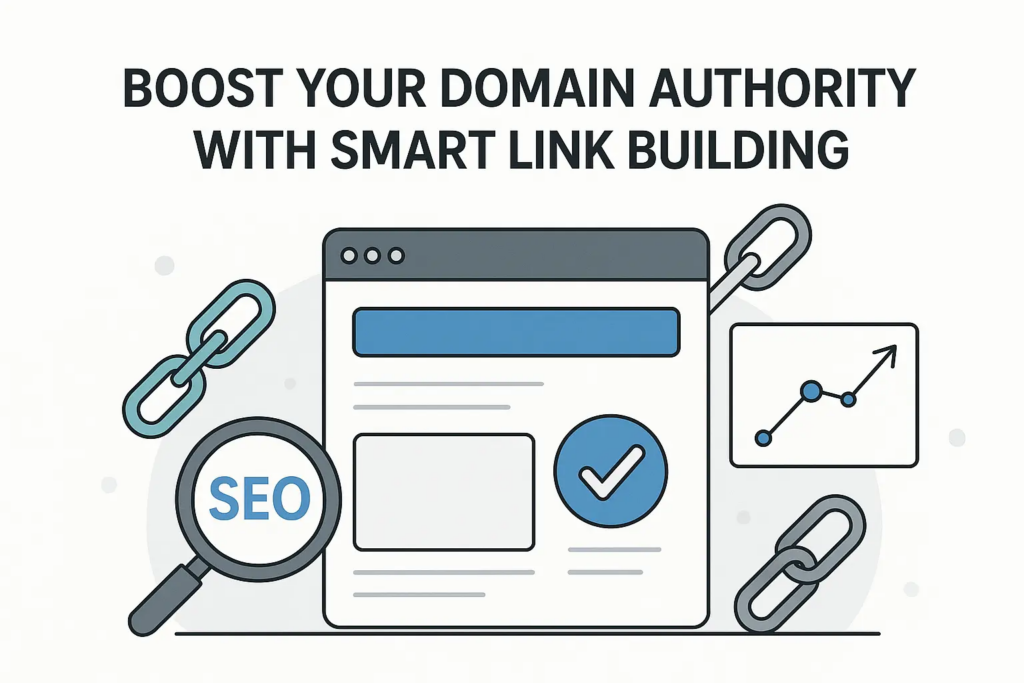
Backlinks remain one of the strongest ranking factors. However, the focus has shifted from quantity to quality. In 2026, relevance and authority matter more than sheer volume.
1. Earn High-Quality Backlinks
A single link from a reputable, relevant website is worth more than hundreds of low-quality directory links.
Effective link-building strategies:
- Create linkable assets: Original research, infographics, interactive tools, and definitive guides naturally attract links.
- Digital PR: Pitch journalists and editors with newsworthy stories about your company or industry.
- Broken link building: Find broken links on relevant websites and suggest your content as a replacement.
2. Disavow Toxic Links
If you have a history of spammy link building, those low-quality links can hurt your rankings. Use Google’s Disavow Tool to tell Google to ignore them.
3. Build Brand Authority
Search engines increasingly use brand signals as ranking factors. Mentions of your brand (even without links) signal authority.
- Invest in public relations and brand awareness.
- Maintain an active presence on social platforms.
- Encourage genuine customer reviews on Google Business Profile and industry-specific review sites.
Phase 6: Monitoring and Continuous Improvement
Search Engine Optimization (SEO) is not a one-time project. It requires ongoing monitoring and iteration.
1. Track Key Metrics
Use tools like Google Search Console, Google Analytics 4 (GA4), and third-party platforms like Ahrefs or Semrush to monitor:
- Impressions and clicks: Are your rankings improving? Is your CTR healthy?
- Keyword rankings: Track your target keywords over time.
- Organic traffic: Measure the volume of visitors coming from search engines.
- Conversions: Ultimately, SEO should drive business results, not just traffic.
2. Perform Regular Audits
Conduct a technical SEO audit every quarter. Check for:
- Broken links.
- Duplicate content issues.
- Slow-loading pages.
- Indexation problems.
3. Adapt to Algorithm Updates
Google releases thousands of algorithm updates every year. Stay informed through reputable industry sources (like Search Engine Land or Google’s official blog). When an update occurs, analyze your traffic data to understand the impact and adjust your strategy accordingly.
Conclusion
Achieving higher rankings in 2026 requires a holistic approach. The days of relying on a single tactic—whether keyword stuffing, link buying, or thin content—are long gone. Today, search engine optimization (SEO) demands excellence across technical infrastructure, user experience, content quality, and authority building.
Use this checklist as your roadmap:
- Technical SEO: Ensure your site is crawlable, fast, and mobile-friendly.
- Keyword Strategy: Align content with search intent and build topic clusters.
- On-Page Optimization: Optimize titles, headers, images, and internal links.
- Content Quality: Demonstrate E-E-A-T with original, valuable content.
- Authority: Earn high-quality backlinks and build brand trust.
- Monitoring: Track performance and adapt to changes.
Start by auditing your technical foundation. Fix any crawl errors or Core Web Vitals issues first, because if search engines cannot properly access your content, nothing else matters. From there, systematically work through each phase of this checklist, and you will build a sustainable SEO strategy that drives consistent organic growth throughout 2026 and beyond.